
Blogs
Professional Mold Removal from HVAC Ducts: What You Need to Know

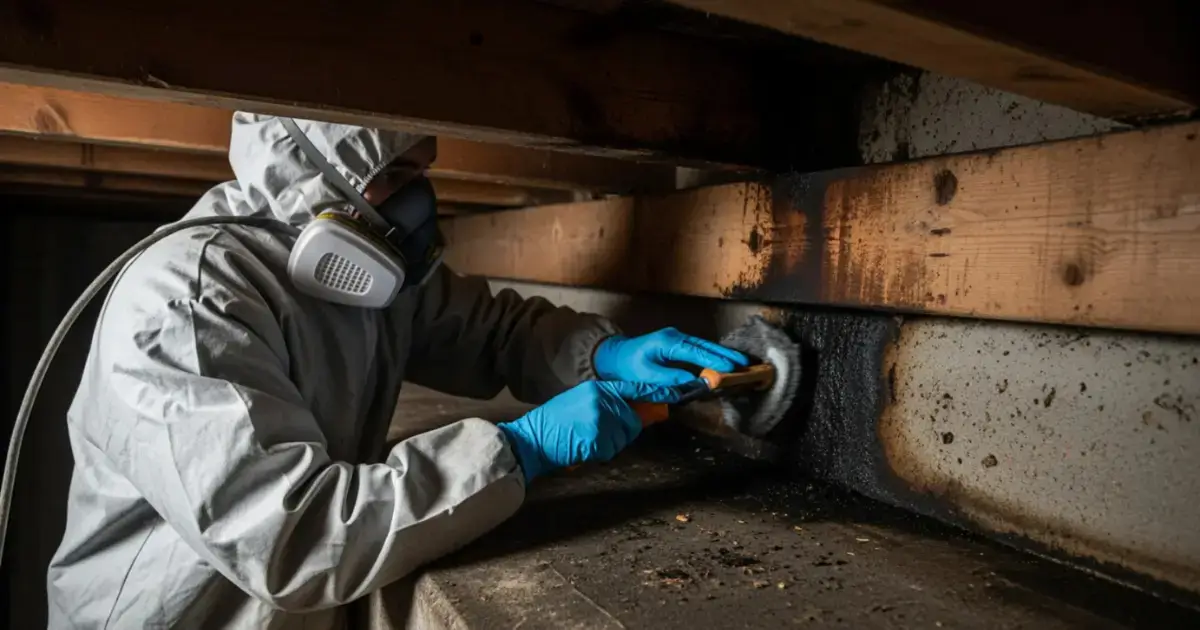
Mold is one of those things nobody wants to think about. It is invisible most of the time, it grows in places you cannot easily see, and by the time it becomes obvious, it has often been spreading for quite a while. When mold takes root inside your HVAC ductwork, the problem becomes especially serious because your system then becomes a delivery mechanism, pushing mold spores into every room of your home every time the air cycles on.
That is why professional mold removal from HVAC ducts is not something you want to delay or try to handle with store-bought sprays. This guide breaks down how mold gets into your ductwork, what the warning signs look like, and what a proper professional removal process involves, so you can protect your home and your health.
How Mold Gets Into Your HVAC Ducts
Your HVAC system handles moisture every time it runs. The cooling process naturally produces condensation, and in humid conditions or when there is any kind of water intrusion near the system, that moisture can settle inside the ductwork. Mold spores, which are naturally present in the air, land on those damp surfaces and begin to grow.
Common causes include a leak near the air handler, high indoor humidity levels, a clogged condensate drain, poor insulation on duct sections running through unconditioned spaces, and even just years of moisture buildup from normal operation. In Arizona, while humidity is generally lower, monsoon season brings significant spikes that can create the right conditions for mold growth inside poorly maintained systems.
Warning Signs You May Have Mold in Your Ducts
Mold inside ductwork is not always visible to the naked eye, but it often makes itself known in other ways. The most common sign is a musty, earthy odor that seems to come from your vents when the HVAC is running. This smell often worsens immediately after the system kicks on and then fades slightly, only to return with every new cycle.
You might also notice unexplained allergy-like symptoms, including sneezing, watery eyes, nasal congestion, or skin irritation that seem worse when you are inside your home and better when you step outside. These reactions can be responses to airborne mold spores being circulated through your living spaces.
In some cases, you can actually see dark discoloration around vent registers or on the inside surfaces of the vents themselves. Any visible mold around your vents should be treated as a strong indicator that professional mold removal from HVAC ducts is necessary.
Why DIY Solutions Fall Short
It might be tempting to spray a vent with a household mold remover and call it done. But surface treatment does not address what is happening deeper in the ductwork. Mold colonies inside ducts can span several feet of duct lining and are not reachable with a standard cleaning product applied at the vent opening.
Attempting to clean mold without the proper containment and equipment can also disturb the colony and release a high concentration of spores into your home’s air, actually making the problem worse in the short term. This is exactly why professional mold removal from HVAC ducts requires trained technicians with the right tools and protocols.
What Professional mold removal from HVAC ducts involves
A proper professional mold remediation process in your ductwork begins with a thorough inspection to confirm the presence of mold, assess its extent, and identify the moisture source that allowed it to grow.
The technicians then use specialized equipment, including high-powered negative air pressure systems, HEPA-filtered vacuums, and rotary brushes, to physically remove mold-contaminated debris from the ductwork. This is paired with targeted application of EPA-registered antimicrobial sanitizing agents that kill mold at the source and help prevent regrowth.
Crucially, any underlying moisture issue must also be addressed. If there is a leak, a drainage problem, or a humidity issue driving the mold growth, fixing the ductwork alone will not solve the problem long-term. A reputable company will help identify those root causes as part of the service.
After the remediation is complete, airflow testing confirms that your system is clean and functioning correctly. Some companies also offer post-remediation testing to verify that mold levels in your indoor air have returned to normal.
Preventing Mold from Coming Back
Once you have had professional mold removal completed, protecting that clean environment is the priority going forward. Keep your indoor humidity levels between 30 and 50 percent by using a dehumidifier if needed. Make sure your condensate drain line is checked and cleaned annually. Schedule regular air duct cleaning every 3 to 5 years, or sooner if you notice any signs of moisture or musty odors returning.
Replacing your air filter on schedule is also important. A dirty filter allows more debris and moisture to pass through, giving mold more opportunities to take hold.
If you suspect mold in your ductwork, do not wait. Professional mold removal from HVAC ducts is the only safe and effective solution. Reach out to Lint Away Duct Cleaning for a thorough inspection and professional air duct cleaning and sanitization service. Serving homeowners across the Phoenix Valley, our certified team will make sure your air is clean, safe, and mold-free. Call us or request your estimate today.